Building With Nature, Not Against It
Here's how we actually do it, backed by numbers and real commitment
Here's how we actually do it, backed by numbers and real commitment
Energy reduction vs. standard builds
I've been in this field long enough to see "green" become a buzzword that lost its meaning. Every firm claims they're eco-friendly now. But when I started Halcyon Field back in 2012, it wasn't trendy - it was just the right way to build.
We don't slap a solar panel on a roof and call it sustainable. Every project starts with understanding the site itself - how water moves across it, where the sun hits throughout the year, what native species belong there. Then we design around those realities, not against them.
The stats below? Those aren't projections or marketing fluff. They're averaged from our completed projects over the past 5 years, verified by third-party audits. Because honestly, if we're gonna talk about environmental impact, we better have the receipts.
Real numbers from real projects - updated quarterly
Through greywater systems, native landscaping, and smart fixtures
From landfills via recycling and repurposing programs
Via local sourcing and low-impact material selection
Across our portfolio annually through integrated solar
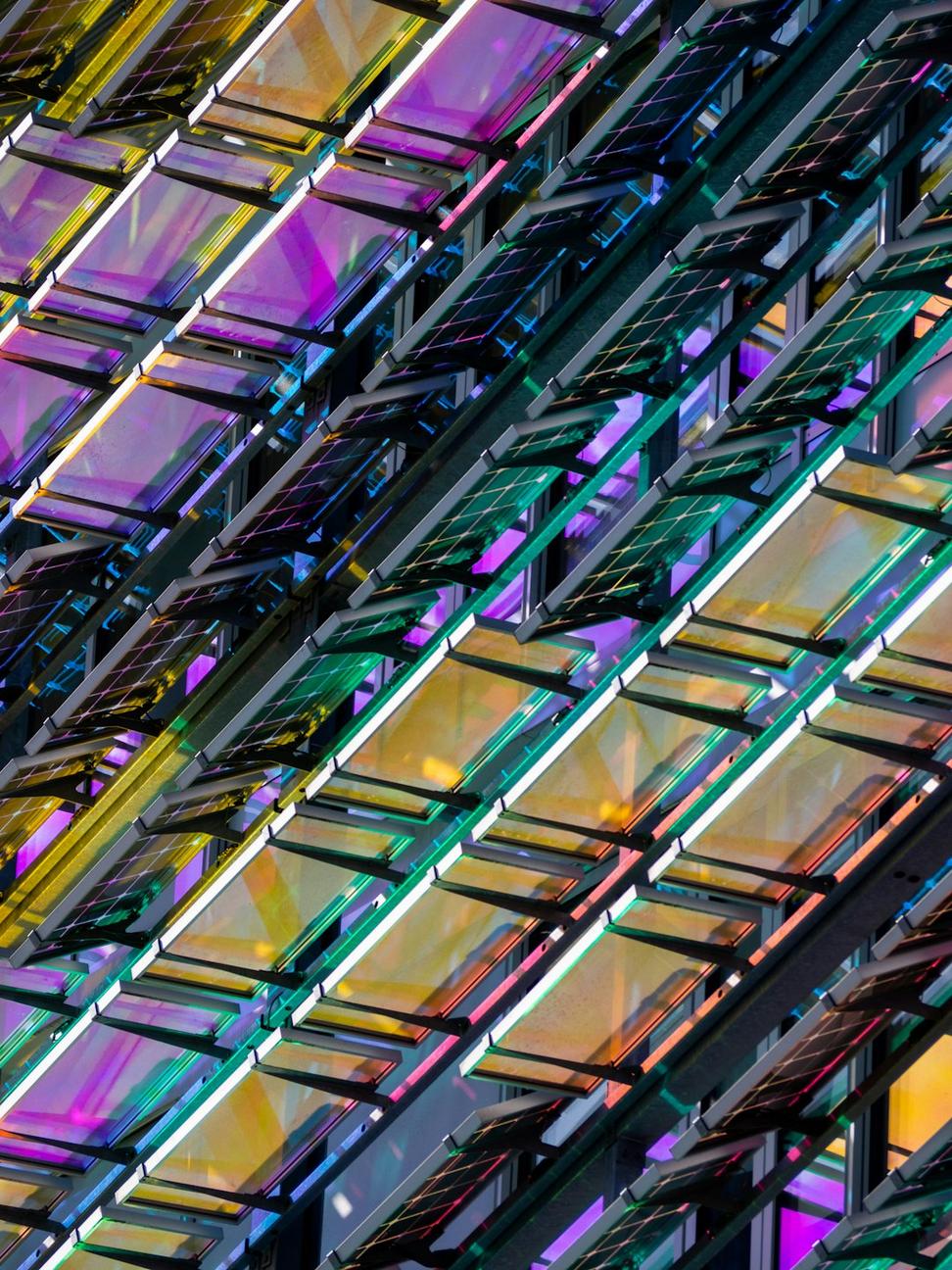
We've had clients come to us after their "green" home from another firm ended up costing them a fortune in heating bills. Turns out passive solar design isn't just about adding windows - it's about understanding thermal mass, prevailing winds, and seasonal sun angles.
Our average project hits 78% energy reduction compared to code minimum. That's not through expensive tech alone - it's proper orientation, smart glazing placement, and honestly just paying attention to basics that got forgotten somewhere along the way.
Case in point:
Our Kitsilano residence project from 2023 has averaged $47/month in total energy costs through a full year cycle. That's a 2,400 sq ft home with four people living there. The owner jokes that their Netflix subscription costs more.
Certifications can be box-checking exercises or they can push you to build better. For us, they're accountability measures - external verification that we're doing what we say we're doing.
We're certified LEED AP professionals with 14 Gold and 3 Platinum projects under our belt. Yeah, the paperwork's intense, but it forces you to track everything - from where materials come from to indoor air quality.
Active since: 2013
This one's no joke - probably the toughest energy standard out there. We've completed 6 certified Passive House projects. The first one nearly broke us (so much detail!), but now it's second nature.
Active since: 2016
Local program that focuses on BC-specific environmental challenges. They get our climate and ecosystems, which makes their standards super relevant for what we're actually building here.
Active since: 2014
This is the ultimate. Only attempted it twice because honestly, it requires clients who are as committed as we are. One project's pending certification now - fingers crossed for early 2026.
Active since: 2019
Buildings that produce as much energy as they use annually. We've got 4 verified NZE projects operating now, with real-time monitoring showing they're actually hitting those targets year after year.
Active since: 2017
Certified to source and track responsibly harvested wood. Vancouver's a timber city - seems wrong to use materials that contribute to deforestation when we've got sustainable forestry right here.
Active since: 2015
The nuts and bolts of our process, without the greenwashing
We spend weeks studying your site before sketching anything. Topography, sun paths, wind patterns, existing vegetation, water flow - all of it matters.
Can't tell you how many times we've moved a building 15 feet on the lot and saved the client thousands in heating costs just by working with natural conditions instead of fighting them.
Every material gets vetted for lifecycle impact - where it comes from, how it's made, what happens when the building eventually comes down.
We maintain relationships with local suppliers who share our values. Sometimes means waiting longer for materials, but we're not gonna compromise on this stuff for the sake of speed.
We run energy models throughout design, not as an afterthought. This means you see the impact of every design decision on your future utility bills in real-time.
Clients are always surprised when we tell them that fancy triple-glazed window they want would actually increase energy costs because of its location. The models don't lie.
We've got strict protocols for job sites - materials are sorted, salvaged where possible, and properly recycled. Our contractors know we're serious about this.
Had to fire a subcontractor once for repeatedly dumping recyclables in the landfill bin. Tough call but there's gotta be accountability or nothing changes.
We check in at 6 months and 1 year after move-in to see how buildings are actually performing. Sometimes there are tweaks needed to optimize systems.
This feedback loop has taught us more than any textbook. Real-world performance data shapes how we approach the next project.
Native plantings aren't just decoration - they're managing stormwater, providing shade, supporting local ecosystems. We design landscapes that work as hard as the building does.
BC's got amazing biodiversity. Seems criminal to replace it with lawns that need constant watering and mowing when native plants basically take care of themselves.
Gonna be honest - building sustainably costs more upfront. Usually 8-15% more than conventional construction. But here's what nobody talks about: that premium pays for itself within 5-8 years through energy savings alone.
Then there's stuff you can't put a price tag on - better indoor air quality, natural light that actually improves mood, spaces that stay comfortable without constant HVAC adjustments. Our clients report higher satisfaction scores across the board.
Plus, property values. Sustainable buildings in Vancouver are commanding 12-18% premiums at resale. The market's finally catching up to what we've known all along - these buildings are just better.
Let's Talk About Your ProjectBuilding a proprietary tool to track embodied carbon throughout the entire design and construction process. Should be ready by Q2 2026. Tired of relying on generic calculators that don't reflect our actual supply chain.
65% complete
Cataloging every supplier within 500km of Vancouver that meets our sustainability standards. Making it easier for other firms to source responsibly too - rising tide lifts all boats.